What is an Oast House? A Clear Explanation of the Iconic British Building
Updated: Aug 2

If you live in Kent or Sussex you have undoubtedly seen them. Oast houses are a unique and iconic feature of our local countryside. Originally designed for drying hops to make beer, these stunning structures have become the ultimate symbol of the South East.
While many have now been converted into beautiful residential homes, they still require specialist care to keep their heritage alive.
The Purpose of an Oast House
Before modern breweries took over, local farmers needed a way to dry fresh hops quickly and evenly so they could be sent to market.
The Kiln: The main body of the building acted as a massive drying room.
The Furnace: A fire was lit at the bottom to send hot air rising through a slatted wooden floor covered in hops.
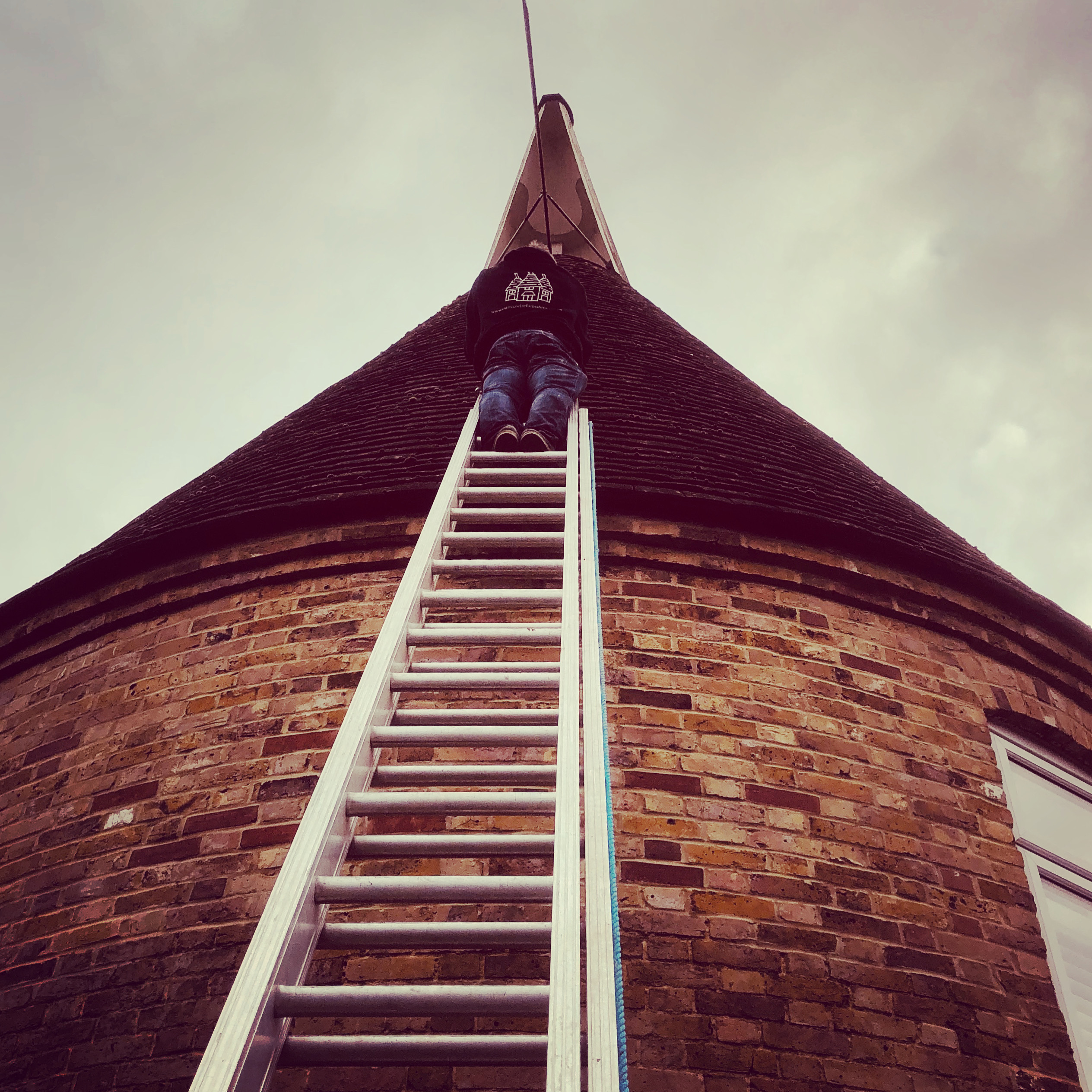
The Cowl: The wooden cone at the top caught the wind and rotated. This created a vacuum to pull the hot air up and out.

The Iconic Architecture
The design of an oast house is completely functional but incredibly beautiful.
The Roundel: Most traditional Kent oast houses feature a circular brick body, though some are square.
The Conical Roof: Often covered with traditional Kent peg tiles, this roof funnels the air perfectly towards the top vent.
The Weather Vane: Sitting proudly on top, this helps the cowl rotate and often features local motifs like the Kentish Invicta horse.
Regional Differences
Did you know that not all oast cowls look the same? The style actually changes depending on where you are.
Kent Cowls: The classic design features tapered weatherboards and an open back to vent the hot air.
Sussex Cowls: These feature flat side panels at the front which gives them a distinctive hooded appearance.
West Midlands Cowls: Found in places like Worcestershire, these hop kilns often meet in a pointed top without a rotating cap.

Preserving Our Local Heritage
Today these buildings are a vital part of our local history. Because most of them are Grade II listed, preserving them takes true specialist knowledge. The wooden cowls take a massive beating from the British weather and require regular painting, mechanism greasing, and structural maintenance.
If the cowl stops turning or the timber starts to rot, it can lead to severe water damage inside the beautiful home beneath it.
Does Your Historic Property Need Expert Care?
At G&S Oast Cowl Refurbishment we have over 30 years of experience protecting these iconic buildings across Kent and Sussex. We handcraft new timber cowls from scratch, perform authentic listed building roof repairs, and apply specialist weatherproofing paint.
Do you want to ensure your heritage property is protected for generations to come? Contact Glynn and Scott today for a free site visit and expert quotation!

