The History of Oast Cowls: From Function to Icon
Updated: Aug 2

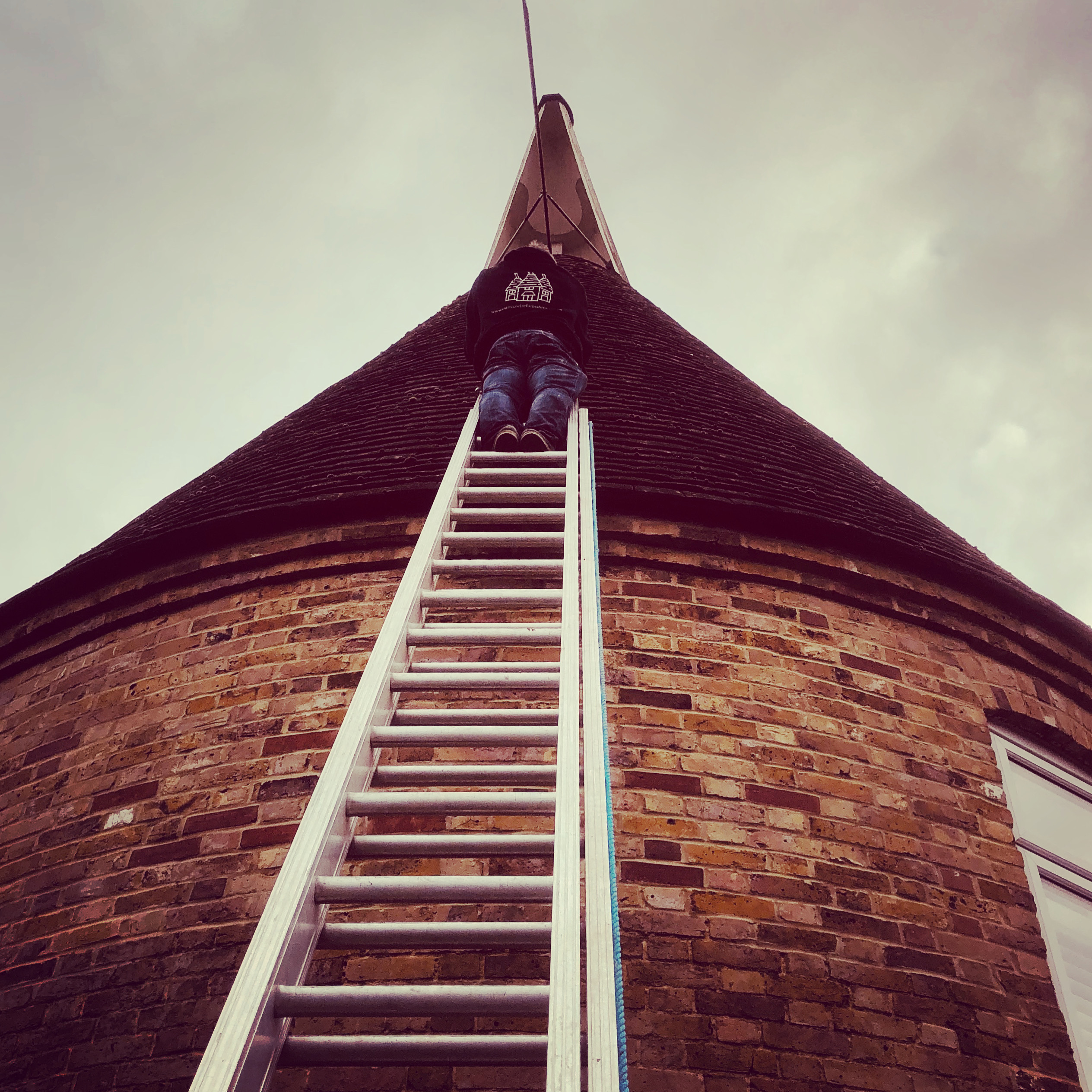
If you drive through the countryside of Kent or Sussex you will instantly recognise them. The oast cowl stands proud above the trees and perfectly captures our rich local heritage.
These striking structures were not just built to look beautiful. They started as incredibly practical farm buildings and slowly evolved into the beloved cultural symbols we see today.
The Origins of the Hop Kiln
The story begins all the way back in the 16th century when the local hop growing industry was booming.
The Practical Need: Local farmers needed a fast and reliable way to dry fresh hops for the brewing industry.
The Clever Design: The conical shape of the cowl was built to act like a giant chimney. It caught the wind and sucked hot air and smoke out of the kiln below.
Early Materials: The very first oast houses were typically built using timber or brick and featured simple wooden vents.

How the Design Evolved
As building technology improved over the centuries the design of the oast cowl naturally changed.
Stronger Structures: The main bodies of the kilns shifted towards highly durable brick and stone to withstand the weather.
The Iconic Shape: While the building materials changed the classic conical roof and rotating white cowl remained exactly the same because the design was already perfect.
Becoming a Cultural Icon
As the massive commercial breweries took over the old hop farms slowly closed down. However the local community refused to let these stunning buildings disappear.
A New Lease of Life: Many farmers converted their old oast houses into charming and highly sought after residential homes.
A Symbol of Home: Today the white wooden cowl is officially celebrated as an architectural gem and a nostalgic reminder of our agrarian past.

Preserving Our Heritage for the Future
Despite their cultural importance many original cowls have fallen into disrepair over the years. Because they are completely exposed to the elements the wooden weatherboards often rot and the metal ironwork rusts solid.
Thankfully there is a massive modern movement to restore these Grade II listed buildings to their former glory.
Does Your Piece of History Need Protecting?
Preserving these historic landmarks requires true specialist craftsmanship. At G&S Oast Cowl Refurbishment we are incredibly proud to help protect the legacy of Kent and Sussex.
Do you want to restore the beauty and functionality of your traditional oast cowl? Contact Glynn and Scott today for a free site visit and expert quotation!

